Aggressive Elefanten im Ugab Rivier?!

10 Antworten · 4'041 Aufrufe · gestartet 19. Sept. 2017 von Logi
Bilder klein
Antworten
Themenstarter16,9k Beiträge · seit 201219. Sept. 2017 · #1
ohne Login:
https://webcache.googleusercontent.com/search?q=cache:qOoX-_kNi4MJ:https://www.az.com.na/nachrichten/der-mensch-ist-schuld-/+&cd=1&hl=de&ct=clnk&gl=de

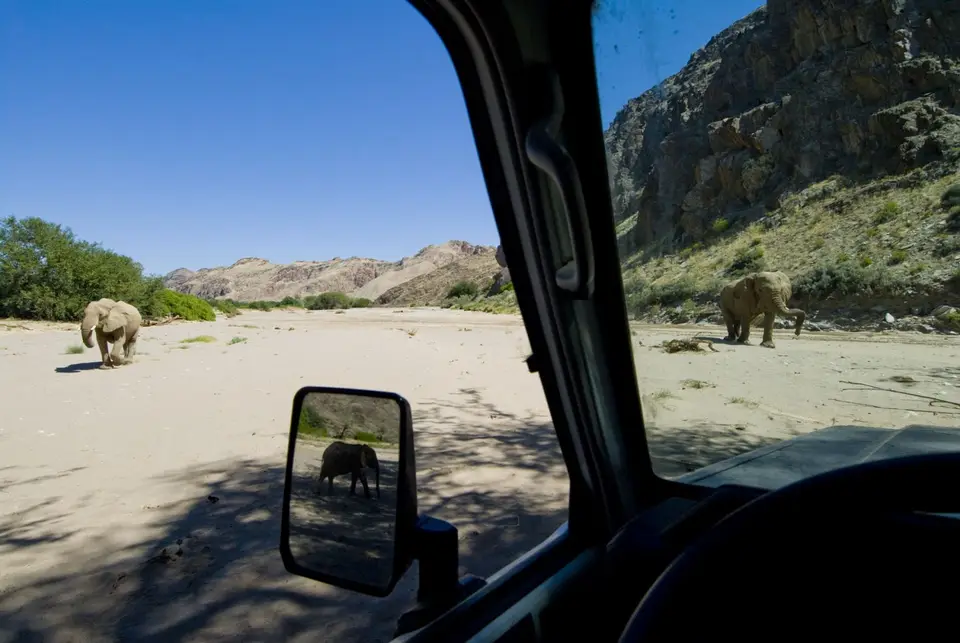
Elefanten, die in den Rivieren im Nordwesten des Landes leben, wie hier im Hoanib, werden von Touristen nicht selten „verfolgt“, was fatale Folgen haben kann.

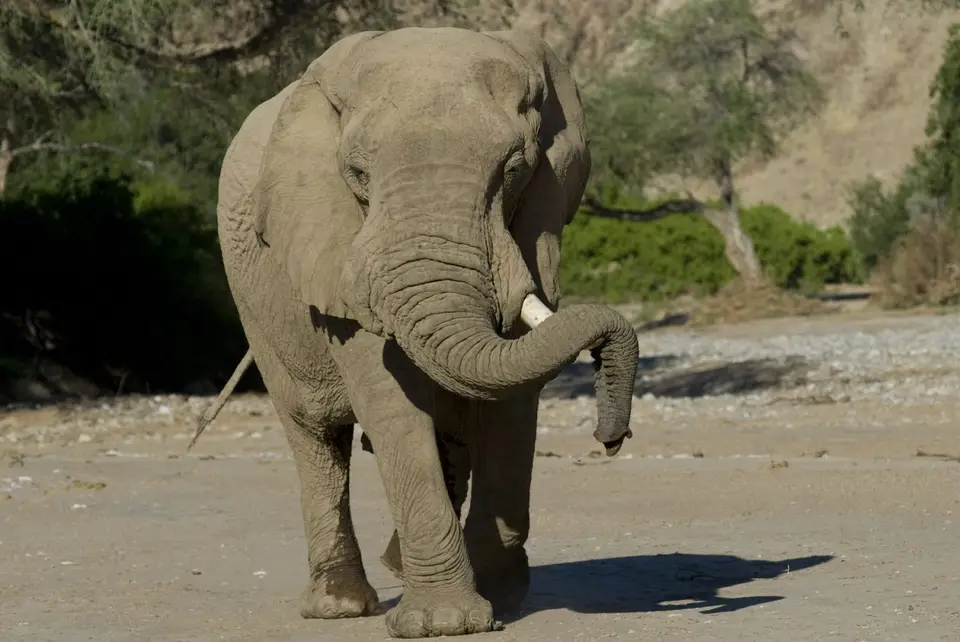
Die Aggressivität einiger Elefanten sowie deren Wanderverhalten sind ein Indikator dafür, dass die Dickhäuter im Ugab-Rivier gestört werden. Darauf machte das Umweltministerium jetzt aufmerksam und erwähnte auch, dass dies „höchstwahrscheinlich von unverantwortlichen Öko-Touristen und Fahrzeugen verursacht“ werde.

„Manche Nichtregierungsorganisationen und Einzelpersonen geben diesen Elefanten sogar Namen als Tourismusattraktionen oder aus anderen Gründen - eine Praxis, die das Ministerium streng ablehnt“, erklärt Ministeriumssprecher Romeo Muyunda und stellt klar: „Elefanten sind wilde Tiere, keine Haustiere, keine domestizierten Tiere, und sie haben auch keinen menschlichen Charakter.“ Die Behörde habe überdies Berichte erhalten, wonach Drohnen mit Kameras sehr nah über Elefantenherden schwirren, was diese störe. „Die absichtliche Störung von besonders geschützten Arten ist eine Straftat“, so Muyunda.


LG
Logi
zuletzt bearbeitet 19. Sept. 2017
4'129 Beiträge · seit 200821. Sept. 2017 · #2
wenn man sich im www vor Drohnen fliehendes Wild ansieht, wundert einen das verstörte verhalten der Tiere nicht... 🤢
Gruß lilytrotter Always look on the bright side of life... :-) Walvisbay boomt
4'984 Beiträge · seit 201625. Sept. 2017 · #3
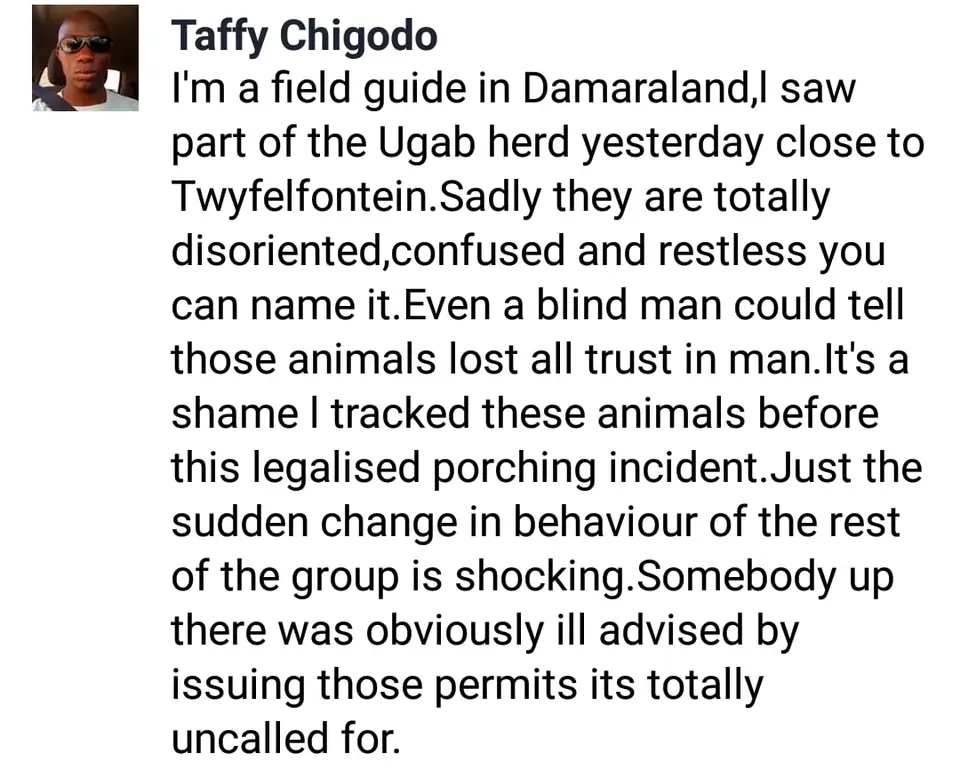
...aus fb... Gruß Gina

Desert Elephants & Friends
23. September um 20:03 ·
It's time for more of our people to stand up and make their voices heard!!
We HAVE to put a stop to these senseless killings!
Taffy Chigodo Thank you.

TaffyChigodo.jpg
Gast25. Sept. 2017 · #4
Hallo,

für das voreingenommene MET sind eben immer die Individual-Touristen Schuld. Grundsätzlich nie Schuld sind für das MET die Trophäenjäger. Die tun ausschließlich Gutes und helfen beim Naturschutz. Und je mehr Wüstenelefanten die Trophäenjäger abschießen, umso mehr Natur- und Artenschutz ist das. Kommt das MET unter Argumentationsdruck, dann sind die Wüstenelefanten eben überhaupt nichts Besonderes und gar keine einzigartige Attraktion sondern x-beliebige Elefanten, von denen man ja Tausende hat. 3 Jagd-Permits auf 15.000 Elefanten hören sich im Gegensatz zu 3 Permits auf 70-80 (Wüsten-)Elefanten unproblematisch an. Und wenn das nicht reicht, dann diskreditiert das MET alle Kritiker. Die sind ja alle so ahnungslos und dumm und wissen nicht mal, dass die sogenannten Wüstenelefanten gar keine eigene Spezie sind...

Sicherlich wird es Individual-Touristen geben, die durch Fehlverhalten (auch im Zusammenhang mit Drohnen) die Tiere etwas stressen (natürlich nicht aus dem Forum hier...). Aber es gibt mittlerweile mehrere Berichte aus dem Damaraland, dass das Herausschießen einzelner Tiere aus Herden eben ganze Herden touristisch unbrauchbar gemacht hat. Weil Elefanten ein gutes Gedächtnis haben und sich das Verhalten älterer, erfahrener Tiere auf jüngere Tiere überträgt, dürfte das noch lange anhalten.

Beste Grüße

Guido
zuletzt bearbeitet 25. Sept. 2017
572 Beiträge · seit 201327. Sept. 2017 · #5
Guido. schrieb:Hallo,

für das voreingenommene MET sind eben immer die Individual-Touristen Schuld. Grundsätzlich nie Schuld sind für das MET die Trophäenjäger. Die tun ausschließlich Gutes und helfen beim Naturschutz. Und je mehr Wüstenelefanten die Trophäenjäger abschießen, umso mehr Natur- und Artenschutz ist das. Kommt das MET unter Argumentationsdruck, dann sind die Wüstenelefanten eben überhaupt nichts Besonderes und gar keine einzigartige Attraktion sondern x-beliebige Elefanten, von denen man ja Tausende hat. 3 Jagd-Permits auf 15.000 Elefanten hören sich im Gegensatz zu 3 Permits auf 70-80 (Wüsten-)Elefanten unproblematisch an. Und wenn das nicht reicht, dann diskreditiert das MET alle Kritiker. Die sind ja alle so ahnungslos und dumm und wissen nicht mal, dass die sogenannten Wüstenelefanten gar keine eigene Spezie sind...

Sicherlich wird es Individual-Touristen geben, die durch Fehlverhalten (auch im Zusammenhang mit Drohnen) die Tiere etwas stressen (natürlich nicht aus dem Forum hier...). Aber es gibt mittlerweile mehrere Berichte aus dem Damaraland, dass das Herausschießen einzelner Tiere aus Herden eben ganze Herden touristisch unbrauchbar gemacht hat. Weil Elefanten ein gutes Gedächtnis haben und sich das Verhalten älterer, erfahrener Tiere auf jüngere Tiere überträgt, dürfte das noch lange anhalten.

Beste Grüße

Guido
Was meinst Du, wenn Du schreibst touristisch unbrauchbar? Sind Wildtiere touristisch brauchbar wenn sie artig am Strassenrand stehenbleiben und sich fotografieren lassen?
4'984 Beiträge · seit 201601. Okt. 2017 · #6
Informanté hat 3 neue Fotos hinzugefügt — mit Ami Sell.
Gestern um 06:00 ·
Elephants shot and killed
Marthina K Mutanga
WINDHOEK - Ministry of Environment and Tourism officials shot two elephants that were disrupting human activities in Otjikakaneneo village in the Erongo Region.
Spokesperson of the ministry, Romeo Muyunda said they are hunting for the third one to be put down during this week because this animals have become problem animals and were destroying residences and underground water pipes.

Quelle: fb
Gruß Gina
828 Beiträge · seit 201601. Okt. 2017 · #7
Elefanten sind immer aggressiv und unberechenbar in Gegenden wo gewildert und gejagt wird. Das kann ich aus jahrelanger Erfahrung bestätigen.

Es gibt aber auch Elefanten die per "default" immer schlecht drauf sind. Der Kollege Einzahn unten hat vor vielen Jahren sein Unwesen in den Trockenflussbetten im Damaraland betrieben.

Jagt gab es zu dieser Zeit in der Gegend noch keine. Immer wieder und ohne Vorwarnung hat er Autos, Camps oder Locals die in der Gegend lebten angegriffen. Mehrmals mussten wir unser Camp wechseln, weil er immer wider, wie aus dem Nichts aufgetaucht ist, auch wenn wir 10 km weiter gefahren sind. Wir waren früher oft in der Gegend und das ging über Jahre so, bis er schliesslich als "Problemelefant" abgeschossen wurde.... er soll auch einen Menschen getötet haben, hat mir ein Guide gesagt, ob das stimmt weiss ich nicht...


italien-11.jpg


italien-1.jpg
zuletzt bearbeitet 01. Okt. 2017
105 Beiträge · seit 201601. Okt. 2017 · #8
aus fb ... Gruß Pingo

Desert Elephants & Friends, 1.10.17

AndieMaritz.jpg
5'538 Beiträge · seit 200802. Okt. 2017 · #9
Hallo Guido,

ich komme mal zurück auf den anderen Thread. Diesen habe ich eben erst intensiver gelesen.

Grundsätzlich nie Schuld sind für das MET die Trophäenjäger. Die tun ausschließlich Gutes und helfen beim Naturschutz. Und je mehr Wüstenelefanten die Trophäenjäger abschießen, umso mehr Natur- und Artenschutz ist das. Kommt das MET unter Argumentationsdruck, dann sind die Wüstenelefanten eben überhaupt nichts Besonderes und gar keine einzigartige Attraktion sondern x-beliebige Elefanten, von denen man ja Tausende hat. 3 Jagd-Permits auf 15.000 Elefanten hören sich im Gegensatz zu 3 Permits auf 70-80 (Wüsten-)Elefanten unproblematisch an. Und wenn das nicht reicht, dann diskreditiert das MET alle Kritiker. Die sind ja alle so ahnungslos und dumm und wissen nicht mal, dass die sogenannten Wüstenelefanten gar keine eigene Spezie sind...
Sorry, aber das trieft vor Vorurteilen gegenüber der Meinungen des MET und anderer Einheimischer, die Deine Meinung nicht teilen. Mehr kann und werde ich nicht hier in diesem Thread sagen, denn die anderen Beiträge halte ich fast alle für überlegter als diesen von Dir. Warum bist Du bei Themen wie Air Namibia, Jagd, "Einheimische" immer so aggressive einseitig?

Liebe Grüße
Gerd
33,1k Beiträge · seit 200605. Okt. 2017 · #10
Hi zusammen,

möchte keinen neuen Thread zum Thema aufmachen, deshalb aktuelle Meldung der Namibischen Presseagentur hier.

Viele Grüße
Christian

SWAKOPMUND, 05 OCT (NAMPA) Government is deliberating on permanent interventions to stop the loss of human lives and property caused by elephants in the Omatjete area of the Erongo Region.
Director of Parks and Wildlife Management in the Ministry of Environment and Tourism (MET), Colgar Sikopo gave this assurance Wednesday in answer to sentiments expressed by Zeraeua Traditional Authority spokesperson Fabianus Uaseuapuan.
In a telephone interview with Nampa also on Wednesday, Uaseuapuani said the community was still traumatised because the elephants continue destroying their houses.
“We are very upset because our petition (to MET) was not responded to so far. We feel ignored, we do not know why the ministry is quiet, this is a serious matter.”
He said the community does not need any other interventions such as putting down troublesome animals, but they need them out of the area.
The National Council’s Standing Committee on Habitat held community meetings in Omatjete and Uis on Monday and Tuesday to collect views regarding the elephants. Parliamentarians will compile a report with recommendations for submission to Cabinet.
This year, Omatjete community experienced the death of a community member, and the destruction of houses, boreholes, gardens and fences from elephants.
About two months ago, they stood up and wrote a petition to MET demanding the elephants be driven away from the area forever.
The animal which killed the man was put down and rangers were deployed to the area to monitor elephants and keep the community safe.
In reply, Sikopo said the community is not ignored.
Sikopo claimed officials would be sent to Omatjete to respond to their petition while a formal letter of reply to the petition would also be prepared.
He however, emphasised that the “idea of driving the elephants out of the area is not practical.”
Sikopo said the ministry understood very well how serious the situation is, and hence its plans to rectify it.
The ministry is looking at reducing the number of animals through trophy hunting, fencing off houses that are in the migratory path of elephants.
“Another action we are deliberating on is to get a transformer and provide electricity to the most affected villages, so that the lights can keep the elephants away.”
He said the animal which was put down generated about N.dollars 100 000. This money, Sikopo said can buy the transformer or barbed wire for fencing.
“By next week we should be able to finalise some of these plans and decide which ones will be implemented. The same week we will also write a letter to the community or go there to respond to their petition.”
Vom 23. August bis 6. September, 10. Oktober bis 18. Oktober 2026, 5. Dezember 2026 bis 17. Januar 2027 und 1. bis 30. Mai 2027 nicht/kaum im Forum aktiv!
4'984 Beiträge · seit 201625. Okt. 2017 · #11
Namibian Tourism Ministry brushes off questionable killing of desert elephants
By editor -October 24, 2017
Two of the only five remaining mature desert elephant bulls that occupied the Ugab region of Namibia have recently been hunted and killed.

Tsaurab and Tusky, along with another juvenile bull, Kambonde, were shot in the midst of an international outcry and ongoing petitions attempting to halt the killings – an uproar brushed off by the Namibian Ministry of Environment & Tourism (MET) as a “fabrication and misunderstanding over the issuance of permits for the destruction of problem-causing animals,” stating also that the killing of a problem-causing animal is “often the last resort after other alternatives have been tried.”

However, with the killing of Kambonde, supposedly a problem-causing animal, this was not the case.

Inhumane killing

According to the daughter of the owner of the property where Kambonde was shot, landowners and locals attempted to save the elephant. “We made a lot of effort to relocate the elephant, but the Government refused to give a permit.”

Instead, a hunting permit was issued by MET. But on the day of the kill, the hunter refused to go ahead with the kill because the 18-year-old Kambonde was too small. Instead, the hunter was issued a last-minute trophy hunting permit to shoot Tsaurab, a desert elephant affectionately known for his meek and gentle character and one of only two young breeding adult bulls in the region.

The next day, MET ordered the killing of Kambonde anyway. And, according to a community game guard in Sorris Sorris Conservancy, the animal’s death was a bloodbath. “The elephant had to be shot eight times after the hunter just wounded it with the first shot. The MET warden present at the hunt had to apply the coup de grâce,” or mercy kill.

According to MET spokesperson Romeo Muyunda, problem animals are often outsourced to be killed by paying hunters, as was the case with Kambonde.

Voortrekker, the famous 45-year-old bull, 35-year-old Bennie and 25-year-old Cheeky are now the only bulls of breeding age remaining in the region.

Tsaurab in Africa
Tsaurab in Africa
Why kill rare desert elephants?

Following the hunting, MET assures “all international followers” that they “have created platforms that incentivize communities to co-exist with wildlife”. As is evident in the case of Kambonde, however, no “co-existence” effort appears to have been considered, despite the relocation option put forward by the community itself.

No reply has been received to a letter and extensive research document put together by concerned stakeholders, including Elephant Human Relations Aid (EHRA), either. The document and letter, obtained through a lodge in the area that participated in the survey, was addressed directly to Minister of Environment and Tourism Pohamba Shifeta and outlined the conservation status, population breakdown, financial value, ecological importance and job opportunities surrounding desert elephants.

MET’s reluctance to consider alternative measures to deal with problem-causing animals is further marred by the absence of a legal checking mechanism which establishes whether an animal in question is indeed “problem-causing,” and whether its killing is indeed the last resort. According to the Earth Organization Namibia, MET may in its discretion declare any wild animal a “problem animal.”

These obfuscations are causing suspicion among conservationists, who argue that MET is being dictated to by outside influences and benefactors, such as the Dallas Safari Club (DSC) Foundation who facilitated the 2013 black rhino hunt in Namibia.

Despite the backlash spurred from the aforementioned hunt, Namibia’s MET and the US trophy-hunting group DSC earlier this year signed a Memorandum of Understanding aimed at “promoting” Namibia’s conservation hunting and allowing the hunters’ club to help with auctioning off the country’s “old” rhinos, among other hunting objectives.

Denying desert elephants

MET continues to justify the killing of desert elephants through trophy hunting by denying the existence of these adapted animals altogether. In September, Muyunda told The Namibian that there is no such thing as a desert elephant. He says the definition is a mere “marketing tool for tourist attractions or conservationists with the apparent intention of implying to endangerment or eminent extinction of those elephants.”

Scientific, peer-reviewed research suggests otherwise. A study published in Ecology and Evolution in 2016 found not only that the Namib desert elephants were different from their Savanna cousins, but that their adaptations are also not genetically transferred to the next generation, rather through the passing on of knowledge. Morphological differences, like the adapted elephants’ thinner bodies and wider feet, also distinguish them from typical Savanna Elephants, which MET claim them to be.

EHRA’s annual report for 2016 also showed that only 62 desert-adapted elephants remained in the Ugab and Huab river region. Muyunda, on the other hand, says Namibia’s elephants are not at risk at all.

Although MET states that it considers “all aspects on the basis of science and research when granting a permit to hunt any species,” attempts to attain such “science and research” have been ignored.

Quelle: https://eturbonews.com/168572/namibian-tourism-ministry-brushes-off-questionable-killing-desert-elephants
Gruß Gina